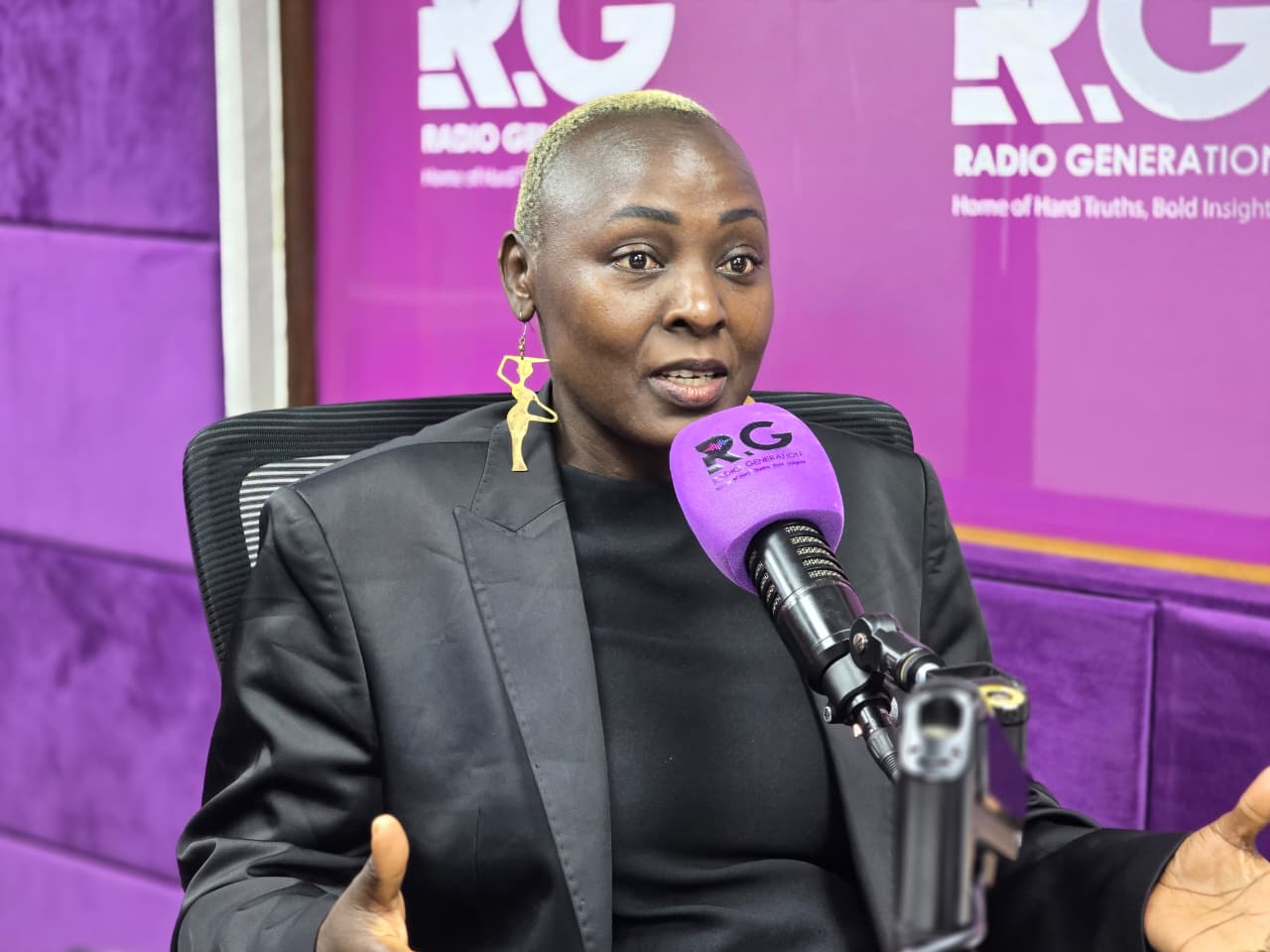
Association of Media Women in Kenya (AMWIK) Executive Director Queenter Mbori has called on women journalists to harness digital media as a means to overcome the persistent patriarchal barriers that hinder their career growth and leadership opportunities in traditional newsrooms.
Speaking on Thursday during an interview with Radio Generation, Mbori highlighted that top newsroom roles and editorial decision-making positions in Kenya and the wider region remain dominated by men, mirroring broader societal inequalities.
“What we see in most of our newsrooms in this country, and even in the region, is that gatekeeping and media leadership seem to be a reserve of men,” she said. “Unfortunately, that is a fact. Media tends to reflect what is happening in society, and when you see patriarchy in the newsroom, it’s a reflection of patriarchy in society.”
Mbori emphasized that digital platforms have created new opportunities for women to produce stories independently and assume leadership roles without being constrained by the hierarchies that define mainstream media.
“With a digital platform, I, Queenter Mbori, can actually own a media house, because all I need to do is exploit the available digital platforms,” she explained. “This means that women can grow in their own respective ways without having to deal with the bureaucracies and patriarchy that exist in mainstream media houses.”
She pointed out that online spaces like YouTube and social media have become essential for promoting gender equality and advancing social justice campaigns worldwide.
“Some of the most popular campaigns in the world, like the #MeToo movement, and in Kenya, #MyDressMyChoice, were enabled by digital platforms,” Mbori said. “Pitching for a gendered story in a mainstream newsroom can be extremely difficult, especially when other big stories like politics or corruption dominate the agenda. But with digital media, we have the freedom — we are our own bosses.”
While celebrating the power of digital platforms, Mbori also warned of the risks, noting that online harassment and abuse remain a growing challenge for women journalists.
“Unfortunately, the same platforms that empower us are also used by keyboard warriors to attack women in public spaces,” she said.
Beyond online empowerment, Mbori encouraged women in media to join AMWIK, describing it as a supportive community offering mentorship, networking, and leadership opportunities, including positions on boards.
“If you’re not a member of AMWIK, then where do you belong? Who are you walking with in this journey?” she asked. “When you join AMWIK, you gain a network, mentorship, and opportunities to serve in leadership — even on boards. It’s a space where women can grow together and go far.”
She added that membership is open to all women journalists through the organization’s website, with a small annual fee. Mbori reaffirmed that digital media is not just a tool for storytelling but a platform for challenging gender inequality and reshaping journalism in Kenya.































Comments
Sign in with Google to comment, reply, and like comments.
Continue with Google